
Sustainability
Oman
first.
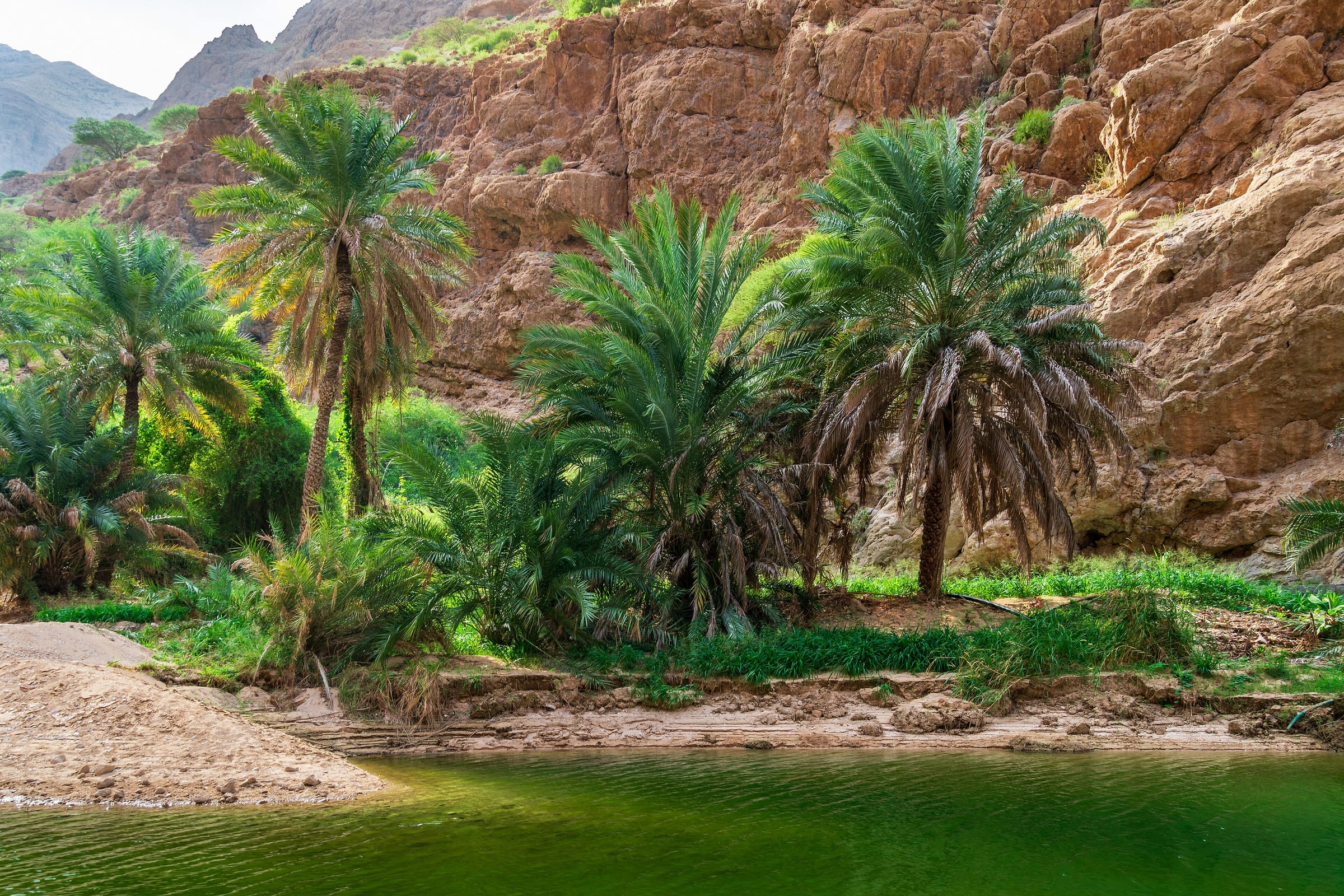
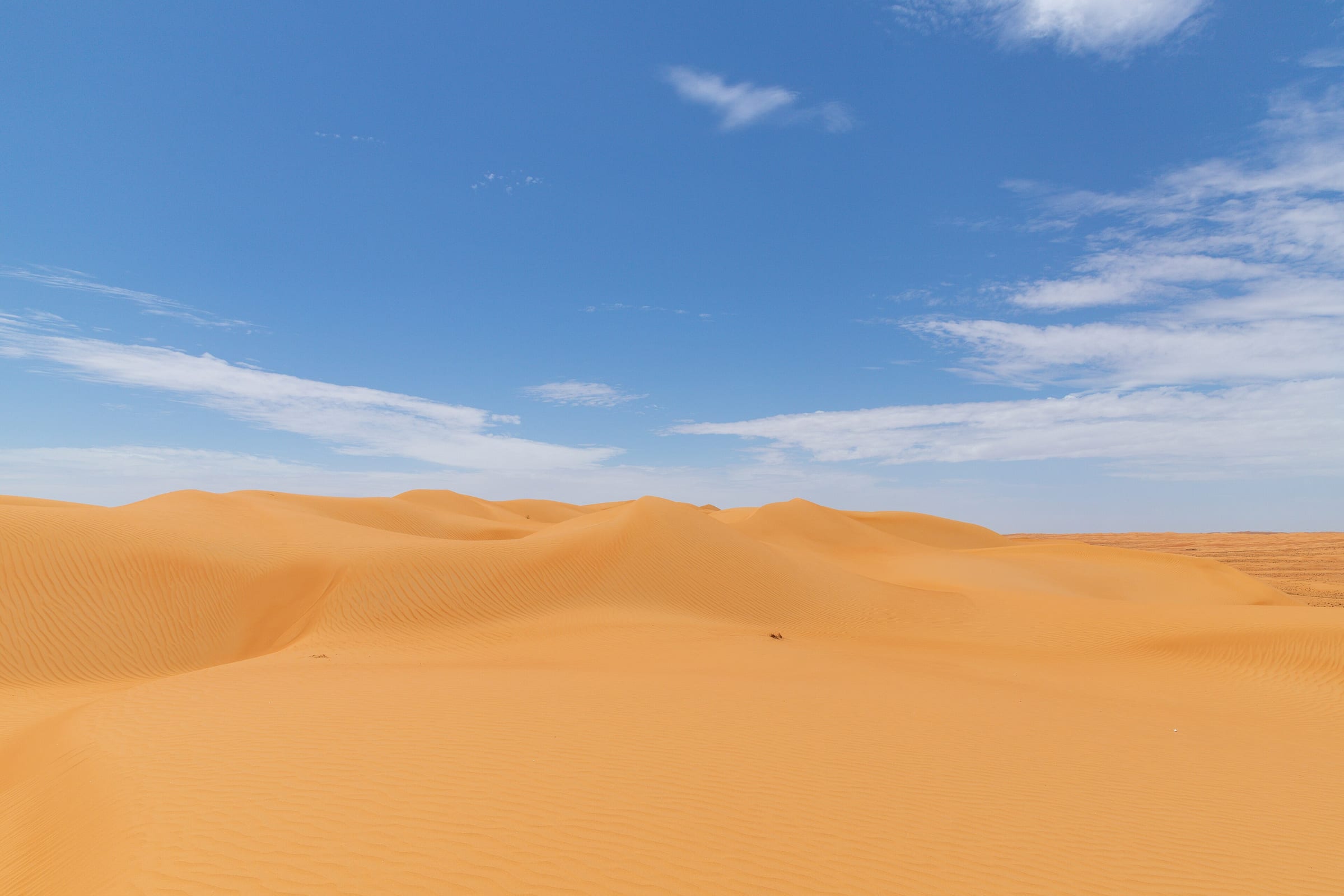
A country of wadis, mountains, a long coast and a wide desert, with less water than almost anywhere on earth.
The country
Less than 100 mm of rain a year. Water has always been used with care.
Oman has looked after scarce water and fragile land for centuries. That is the standard sustainability is measured against here.
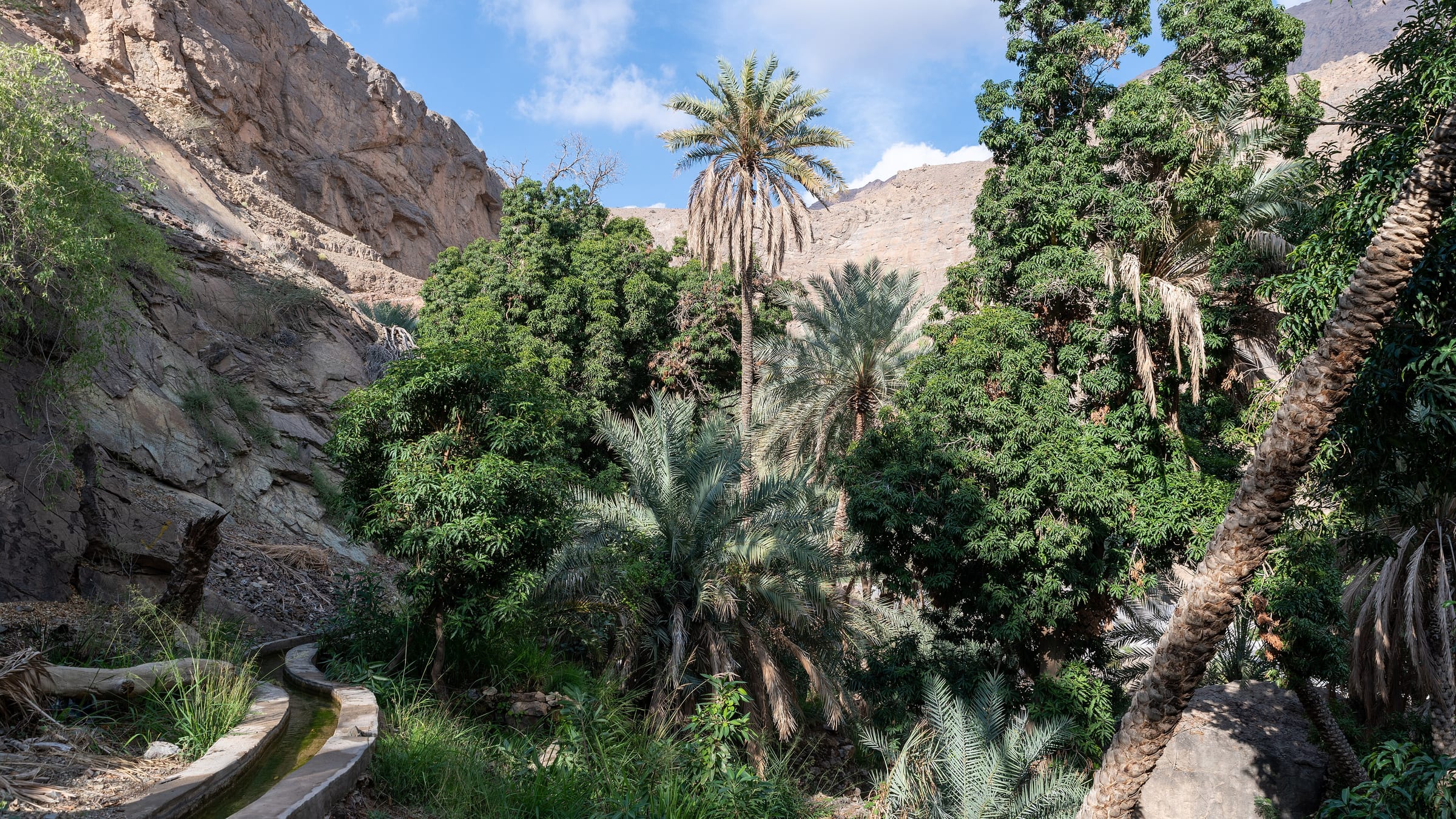
- 0years the aflaj have shared water fairly, five of them listed by UNESCO
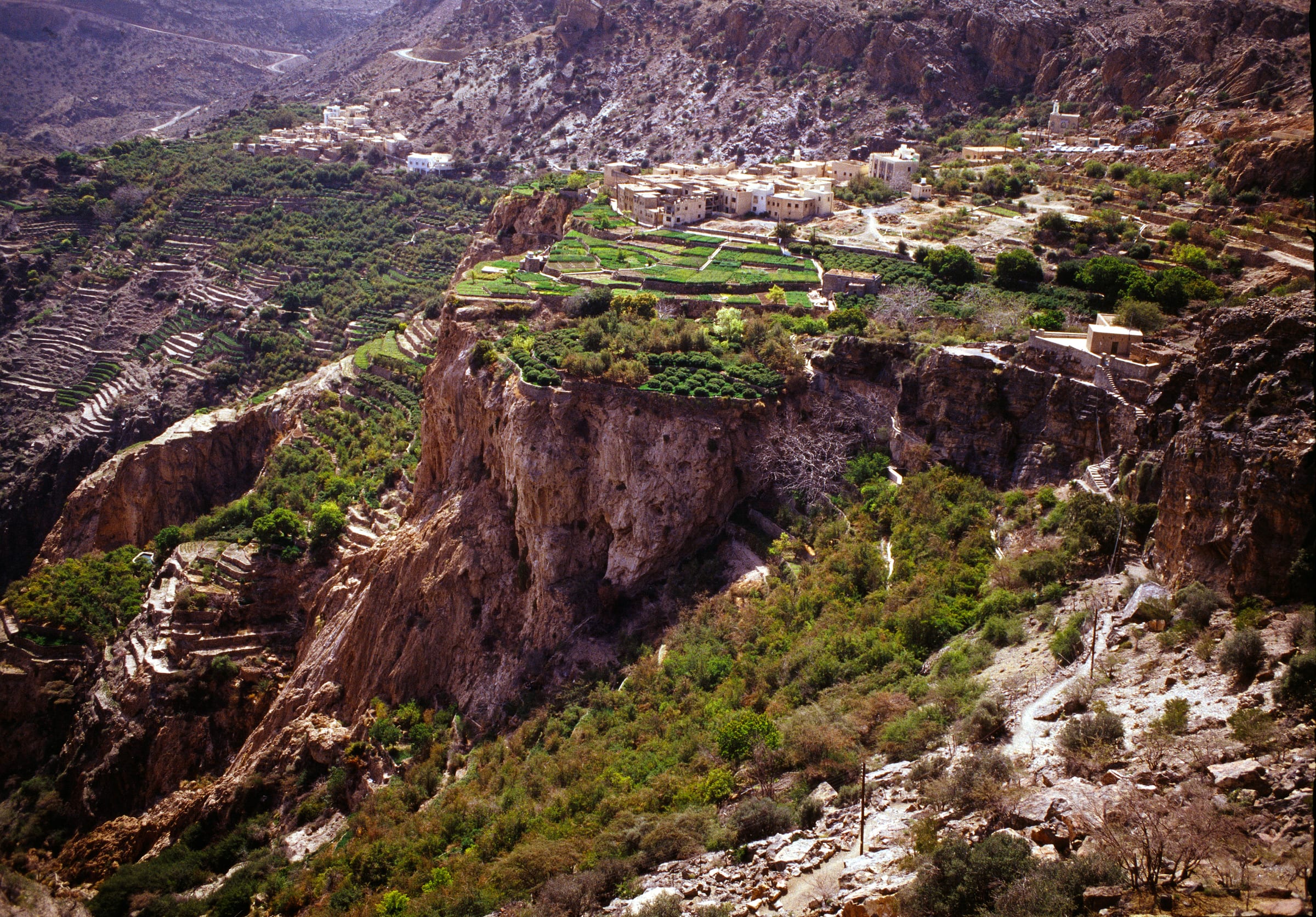
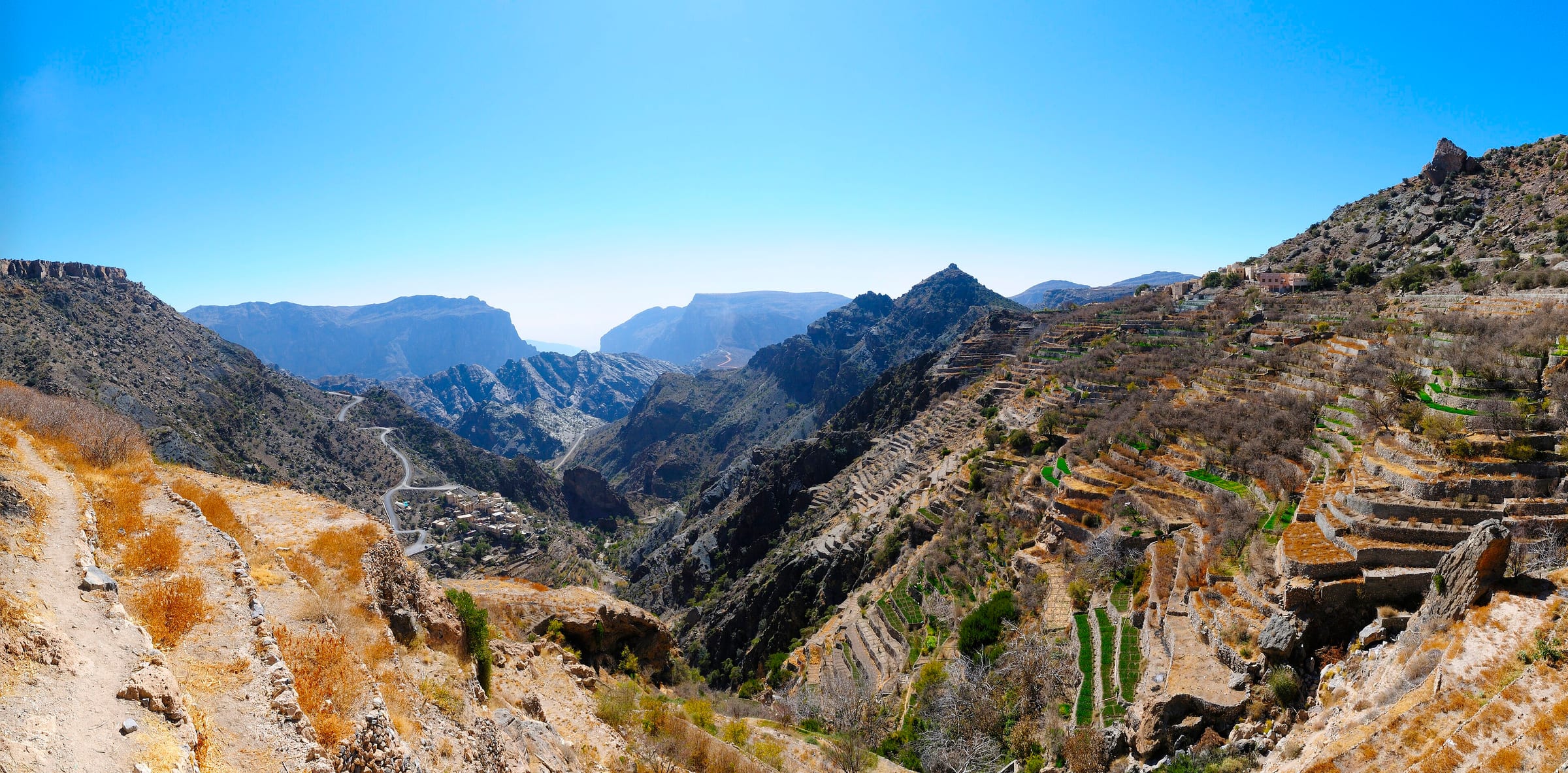
- 0mup Jebel Akhdar, where terraces of roses and pomegranates are fed by gravity
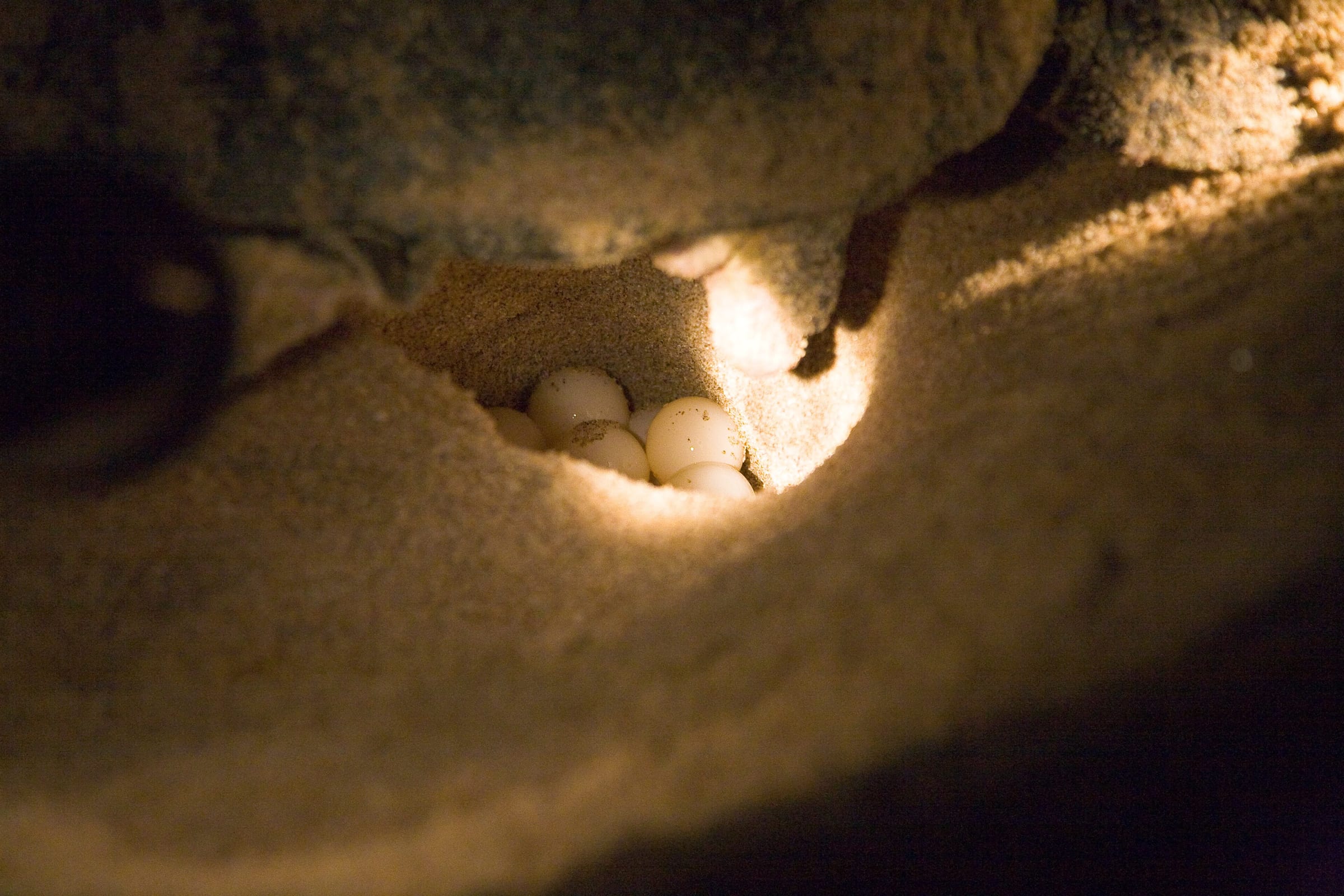
- 0kmof coast, where green turtles return each year to the beach they hatched on
- 0%renewable electricity by 2050, from some of the strongest sunlight on earth
Milestones
Oman has been at this a long time.
1982
The Arabian oryx, extinct in the wild, is returned to the Jiddat al Harasis, one of the first reintroductions of its kind anywhere.
Sun
More than 2,000 kWh of sunlight falls on every square metre, every year.
Some of the strongest and steadiest sunlight on earth, with steady winds along the southern coast. Hours of sunshine a year, Muscat against three other cities, drawn to scale.
Oman Vision 2040 · Net zero 2050
Where the country is heading.
2030
Drag the year
- 30%of electricity from renewables
- 1.0Mtof green hydrogen a year
- 16%of the economy from oil
- −7%emissions, on the way to net zero
Our part
A country this careful with its water, land and sea deserves engineering held to the same standard. These are the commitments behind our work.
- 01
Water Returned, Not Discharged
- 02
Waste Recovered, Not Dumped
- 03
Treatment Held To International Standards
- 04
Sites Restored When We Leave
- 05
Growth Aligned With Vision 2040
Photographs via Wikimedia Commons: Wadi Shab by dconvertini (CC BY-SA 2.0) · Falaj in Wadi Bani Khalid by Christoph Strässler (CC BY-SA 2.0) · Step gardens of Jebel Akhdar by Ketan Mehta (CC BY-SA 3.0) · Ras al-Jinz by Andries Oudshoorn (CC BY-SA 2.0) · Wahiba Sands by dronepicr (CC BY 2.0) · Jebel Akhdar view by Philipp Weigell (CC BY 3.0).